Teacher Certification Guide

Current teachers and aspiring educators face a lot of steps toward earning teacher certification. Our guide will help you navigate the ins and outs of teacher certification, including both traditional and alternative routes.

Written by Steve White

To help aspiring teachers get ready for the classroom and support current teachers in their vital roles, we've created a guide that covers the current ins and outs of teacher certification. We'll go over all the steps you'll need to prepare to be a new teacher, including the particulars of undergraduate and teacher preparation programs, passing your exams, and meeting specific state requirements.

How to Earn Teacher Certification

First, let's take a look at how teacher certification works. Below, we'll cover the pathways for both traditional and alternative teacher certification and touch on some options for getting experience without a teaching license.

How Does Teacher Certification Work?

Before you can take on a teaching job at a public school, you'll need to get certified in your state, which is often called a teaching license, a teaching certificate, or a teaching credential. Because teaching licensure is considered a state responsibility and not a federal one, each state has developed its own requirements and processes for approving teachers. Most require a bachelor's degree, the completion of a teacher preparation program, student teaching experience, a background check, and an exam.

The majority of states use the Praxis tests for the exam requirement. The Praxis Core Academic Skills for Educators (CASE) measures aspiring teachers' academic skills in writing, reading, and mathematics.

For teachers who plan to teach in a particular area, states also require at least one of the Praxis Subject Assessments, which measure skills in specific subject areas, such as Early Childhood Education, General Science, Art, or Biology to name a few. If you plan to concentrate further beyond a single subject, you may also need to pass another Praxis Subject Assessment in your desired specialty area. Examples of these tests include Braille Proficiency, English to Speakers of Other Languages, Gifted Education, and Special Education: Teaching Students w/ Learning Disabilities.

Some states have developed their own tests. For example, the state of Texas uses the TExES exams (Texas Examinations of Educator Standards) and Florida requires prospective teachers to pass the FTCE (Florida Teacher Certification Examination).

The states on the list below have their own individual exams (click on a state to learn more about what exams and prerequisites you'll need to become a teacher in that state). If the state you wish to teach in is not listed, then it uses the Praxis exams.

  • Alabama
  • Arizona
  • California
  • Florida
  • Georgia
  • Indiana
  • Massachusetts
  • Michigan
  • Minnesota
  • Missouri
  • New Mexico
  • New York
  • Ohio
  • Oklahoma
  • Oregon
  • Pennsylvania
  • Texas
  • Virginia
  • Washington
  • Wisconsin
  • Illinois
  • Tennessee

Traditional Teacher Certification

The traditional path to teacher certification can vary from state to state but most have these steps in common:

  • Earn a Bachelor's Degree: Every state requires aspiring teachers to earn a bachelor's degree. There are two ways to go about this:
    • Major in Education. A bachelor's degree in education is designed to equip you with the broad, foundational skills you need to be a teacher. Most programs will also allow you to add a concentration in an area you'd like to teach. Other education bachelor's degrees will focus on specific grade levels like a Bachelor of Arts in Elementary Education, which focuses primarily on teaching grades one through five, or a bachelor's degree in special education, which focuses on teaching students with special needs.
    • Major in a Subject Area. If you know you want to teach a specific subject, you might consider majoring in this area. For instance, if your heart's desire is to teach art or history, you can major in the specific subject and complete a separate teacher preparation program (more on this in the next step) in order to meet certification requirements.
  • Complete a Teacher Preparation Program: As their name suggests, teacher preparation programs are non-degree certification programs that focus on preparing teachers for the classroom. Many are designed to complement your major and can be taken simultaneously with an undergraduate or graduate degree. Others can be completed after you've earned a degree, which can be helpful for students who didn't major in education.
  • Get Practical Teaching Experience: All states require practical teaching experience, though the number of hours can vary by state. The state of Georgia , for example, recommends candidates for licensure complete one year of student teaching but requires at least one semester. By contrast, North Carolina requires aspiring teachers to do a 16-week internship at a public school in the state. Check with your state's education department to see how many hours of classroom experience you'll need to apply for certification. Typically, these teaching experiences are built into teacher preparation programs, and many have relationships with a number of schools where they place student teachers so that they gain their needed experience while completing the program. After completed their student teaching expereince, some students may have to complete the edTPA, which is a multi-part portfolio assessment that determines if student teachers are fully ready for the classroom.
  • Take Your State's Teacher Certification Exams: Whether it's the Praxis, the National Evaluation Series, or state-specific exams like the FTCE, TexES, or the MTEL, you'll have to pass at least one exam to get your teaching credential. Exams are typically proctored in-person and come with a fee that can range from $150 to $300. Some states have programs to help students pay for their exams and there may also be opportunities for scholarships.
  • Apply for Teacher Certification: Once you've fulfilled your state's requirements, you can submit your application for teacher certification. There is typically a fee involved and most states require you to pass a background check and be fingerprinted. You'll also need to submit scores for any required exams. Most initial certifications are only valid for one to five years and must be renewed. Renewal might involve taking graduate-level courses or doing continuing education in your field.

Alternative Teacher Certification

Because the steps above aren't realistic for everyone and because teachers are in short supply, many states offer one or more alternative paths to certification, which differ from state to state. However, there are a few steps to alternative teacher certification that are fairly universal:

  • Complete an Alternative Teacher Certification Program: Alternative teacher certification programs are primarily designed for students who have completed a bachelor's degree that's not in the field of education. These stand-alone programs do not award a degree but they help prepare students to take the exams they need to earn a teaching credential. Some are also tied to master's degree programs, which can allow students to prepare for being a teacher while earning a graduate degree. Further, there are other types of alternative paths that might not require a bachelor's degree. These may only require an associate's degree to get started. Others grant a provisional license while you fulfill the traditional requirements and some (such as vocational technical certification) require candidates to have at least a year of paid working experience. Depending on your state and their available alternative paths to certification, you might be able to become a teacher through these types of programs:
    • National Board for Professional Teaching Standards (NBPTS) certification
    • Transition to Teaching
    • Emergency and provisional teaching certification
    • Vocational Technical Education License
    • Teaching equivalency and portfolio evaluations
    • Career and technical education certification
    For example, Texas has an emergency teacher certification program that quickly gets new teachers into the classroom.
  • Apply for a Provisional Teaching License: Several states allow teachers-in-training to apply for a provisional teaching license that lets them teach while they're completing a teacher preparation program. These can be a great option for many. They let you start earning an income, help you meet the student teaching requirements, and give you a jump-start on your career. Check with your state's board of education to see if you can get a provisional license.
  • Take Your State's Required Exams and Apply for Certification: These steps will essentially be the same as the traditional route. Once you've completed a preparation program, you'll sit for your state's required tests, send in an application, and undergo a background check.

National Board Certification

National Board for Professional Teaching Standards (NBPTS) certification, commonly called National Board Certification, is an optional, additional certification that teachers can earn to demonstrate their expertise, earn positions in leadership and, in some cases, increase their salaries.

Candidates go through a rigorous peer-review process that involves videoing interactions with students, demonstrating their knowledge in the field, submitting portfolios, and documenting their achievements outside the classroom. There is a cost involved with both applying for and maintaining National Board Certification.

Can You Teach Without Certification?

Yes! Although teacher preparation regulations mean that the best ways to become a teacher are the ones we covered above, there are ways you can impact the lives of children without earning a state teaching credential. Here are a few that might work for you.

  • Teach at a Private or Charter School: Schools that don't receive funding from the government are allowed to set different standards for hiring teachers, which means that some don't require teachers to be certified (though many still prefer certified candidates). If you don't have a teaching credential, check out the private schools in your area to see if their policies would allow you to apply and become a private school teacher.
  • Teach Overseas: Schools across the globe are always looking for teachers. Some want native speakers to teach English but many are also looking for well-educated individuals to teach a wide range of topics. Most of these positions don't require certification, though completing TEFL certification can be a major bonus in landing a job in another country.
  • Take on a Teaching Support Role: Teacher's aides, also called paraprofessionals, don't need to be certified in many states and they get the chance to work directly with students, either in full classrooms or by providing individual attention to students with special learning needs. Paraprofessionals typically need a high school diploma and must pass the ParaPro Assessment. Likewise, many states only require substitute teachers to have a college degree or certain number of college credits, not a license. This can be a great way to get classroom experience without going through the certification process.
  • Volunteer to Teach: Charities and volunteer organizations desperately need passionate candidates to work in underserved areas. For example, Teach for America only requires a bachelor's degree, a 2.5 GPA, and legal residency to volunteer. Volunteer teachers get to spend at least two years in a public school.

Tips for Preparing for Teacher Certification Exams

Bachelor's programs in education and teacher preparation programs are designed to prepare you to take your teaching certification exam, but that doesn't mean acing it is a foregone conclusion. In fact, many aspiring teachers end up taking their exam several times before passing.

Study.com offers teacher certification preparation courses for all the major tests and we've helped many aspiring teachers reach their goals (80% pass their certification exams and 84% feel confident in their ability to pass the exam after using our program). We decided to talk to the teachers we've assisted and ask them for their best pieces of advice. Here's what they said.

How Does Teacher Certification Work?

Usually, the organization that offers the exam provides materials to help test-takers understand what the exam entails. For example, Educational Testing Service (ETS), which administers the Praxis exams, offers a Study Companion PDF for all of its tests that can help you understand what to expect when it comes to subject matter and structure. Our teacher preparation programs can also help you prepare for what is on the exam you plan to take in terms of content and question types as well as how your test will be scored.

Carve Out Time to Study
Have Your Own Study Space
Develop a Study Plan
Take Practice Tests

Types of Certification

Broadly speaking, there are three major types of teacher certification in the United States. Most teachers get standard teacher certification. The standard path requires a bachelor's degree in education or in a specific subject, completion of a teacher training program, student teaching experience, and an exam.

The second way to become a teacher is to pursue alternative certification. There are many different kinds of alternative certification; each state has its own programs that allow people to become teachers even if they come from a different educational or professional background. The point of alternative certification is to make teaching more accessible as a profession. States recognize the need for teachers and understand that there are many educated individuals who may be able to make major contributions to the school environment even if they do not come from a standard teaching background.

Finally, some people opt to become substitute teachers. Substitute teaching is also regulated at the state level, and the requirements for becoming a substitute teacher can differ significantly from other certification options. Usually, substitute teachers are not required to pursue training and education that is as rigorous and time-consuming as what is required of regular teachers.

Anyone who is interested in becoming a teacher should be sure to look into all of the certification options offered in their state of residence to see which one would work best for them. Regulations also change often; states introduce new programs, redefine their requirements, and adjust their teacher training programs to keep up with advances in pedagogical theory.

Standard Teacher Certification

Standard teacher certification is what most people think of when they imagine becoming a teacher. In most states, the standard certification process is the most straightforward option. Including all post-secondary education and training, the standard teacher certification process usually takes around five years. That number is an estimate, not a universal standard; some people may complete the requirements more quickly or might take more time.

States determine their own standard teacher certification processes. In some states, there is just one standard teacher license that every educator receives. Usually, that license will be renewable every three to five years. In other states, the standard path to teacher certification is tiered. Teachers start with one license and advance to other teaching licenses over the course of their careers.

Initial Teacher Certification

An initial teacher certification is a standard certificate that new teachers can obtain in some states. Not all states will call this license an initial teacher certification; other names for this kind of license include provisional, temporary, or intern teaching certifications.

States that use this kind of graduated license system include Alaska, Arizona, Arkansas, Colorado, Connecticut, Delaware, Georgia, Hawaii, Idaho, Illinois, Indiana, Iowa, Kansas, Kentucky, Louisiana, Maine, Maryland, Massachusetts, Michigan, Minnesota, Mississippi, Missouri, Nebraska, New Hampshire, New Jersey, New Mexico, New York, North Dakota, Oregon, Pennsylvania, Rhode Island, South Carolina, South Dakota, Tennessee, Utah, Vermont, Washington, West Virginia, Wisconsin, and Wyoming.

Initial licenses are usually given to new graduates. Sometimes, they are provided even before educators have completed all of their teacher training requirements. In other cases, they are the standard license for the first few years of any teacher's career. In most states, those who have had an initial teacher certification for a certain number of years and who have completed any additional training requirements can get a standard professional certification.

Master Teacher Certification

Some states offer another form of licensure to encourage teachers to pursue professional development and higher education. Master teacher certifications, also sometimes called advanced teacher certifications or lead professional certifications, are licenses for teachers who are at the top of their field. These certifications are usually only open to teachers who have several years of work experience. They may require a master's degree or even a doctoral degree.

Master teacher certifications are a step above a standard professional license. Not all states offer them; these advanced certifications are available in Alaska, Colorado, Delaware, Georgia, Hawaii, Illinois, Indiana, Iowa, Kansas, Kentucky, Louisiana, Maine, Maryland, Michigan, Mississippi, Montana, Nebraska, Nevada, New Hampshire, New Mexico, Ohio, Rhode Island, South Dakota, Utah, Virginia, West Virginia, and Wisconsin. In many states, these licenses either require an advanced degree or certification from the National Board for Professional Teaching Standards (NBPTS).

Alternative Teacher Certification

Not everybody takes the same path to become a teacher. All states in the US offer at least one alternative certification route for educators. Usually, these programs allow aspiring teachers to complete teacher training requirements even if they have a non-standard undergraduate degree. Many states offer provisional alternative licenses so that individuals can start teaching while finishing up their professional requirements.

The kinds of programs that states offer will vary; many people who pursue alternative licensure work as regular teachers, but some teach in more specialized areas. Career and technical education (CTE), emergency teacher certification, and some language and culture education programs are just a few of the alternative certification options out there.

CTE Teacher Certification

Career and technical education certification usually has very different training requirements from other teaching licenses. CTE teachers focus on training students in various technical subjects and trades, including welding, woodworking, and other skill sets that may not be taught at the undergraduate level. For that reason, career and technical teachers often require work experience rather than a college degree. Some states may still have a college education requirement, though work experience is usually the focus.

Some CTE teachers are required to complete teacher training programs within the first few years of their teaching careers. CTE licensure is sometimes called vocational licensure. States with specific CTE licenses include Arizona, Colorado, Hawaii, Illinois, Maine, Michigan, Mississippi, Nebraska, New Mexico, New York, Oregon, Pennsylvania, South Carolina, Tennessee, Texas, Vermont, Washington, Wisconsin, and Wyoming. The type of license that a teacher obtains will impact what kind of education they can provide, what their salary will be, and what career advancement options are open to them.

Emergency Certification

Most of the time, teachers are not able to work until they have completed all of their licensure requirements. However, some states and regions experience teacher shortages. If there are not enough teachers to serve the student population in a district or area, states may permit some individuals to get emergency teacher certification.

These alternative licenses temporarily waive some of the education and training requirements for teachers so that they can get into the classroom as soon as possible. Usually, emergency certifications are only valid for one or two years. Those who want to continue teaching after that time typically need to complete their teacher training requirements. Delaware, Hawaii, Oklahoma, Pennsylvania, and Washington offer emergency certification under certain circumstances.

Language and Culture Certification

The United States is home to many different cultures and languages. Some states have created alternative teacher licenses specifically for experts in a particular language or culture. Usually, these licenses are aimed at educators who can teach students various indigenous languages. Teachers who get these licenses must still complete other teacher training requirements, though they may have the option to start working before they have fully completed those requirements. Alaska, Hawaii, North Dakota, and Washington all offer these kinds of licenses.

This is a great potential option for any aspiring educators with specific expertise about a state's indigenous languages, cultures, and histories. While these kinds of licenses are not particularly widespread yet, they may increase in popularity in the coming years.

Substitute Teacher Certification

The third major form of teacher licensure is substitute teacher certification. Becoming a substitute teacher is quite different from becoming a regular teacher in most states. Some states have restrictions on how many consecutive days substitutes can work. While many states require substitutes to have a bachelor's degree, some will grant substitute certificates to candidates who have a high school diploma or GED.

Sometimes, it is individual districts that determine regulations for substitute teachers, not states. Substitute teachers usually have lower salaries than regular teachers; they also have less stringent training requirements. Some people choose to work as substitute teachers to see if they are interested in committing to teaching on a full-time basis.

Subject and Grade Level Certification

One of the biggest decisions that aspiring teachers have to make is what subjects and grade levels to teach at. Teaching licenses are not one-size-fits-all; each teacher will generally have a license that permits them to teach a certain range of grades and a certain set of subjects. Elementary school teachers usually teach all subjects, whereas high school teachers are more specialized. The education and exams required for teaching certain grade levels and subjects can vary, both nationally and from one state to another.

Required Education

In almost all cases, teachers require a bachelor's degree in education or in the subject they want to teach. Teachers who get subject-specific undergraduate degrees will likely find it easier to work as high school teachers, since elementary teachers usually need to be generalists. High school teachers can specialize in an area like math, science, or English.

Most elementary teachers will need a degree in education to prepare them for the specific challenges of working with younger children. There are exceptions to this rule; each state is different. All teachers will need to complete a teacher preparation program, student teaching, and exams, regardless of which subject they get a degree in. Some teachers elect to get a master's degree, either in their academic subject of choice or in education. An advanced degree can open up better career options and a higher salary.

Praxis Subject Tests

As noted above, many states require teachers to complete Praxis exams before they can get certified. Praxis exams can be general, covering classroom management and educational theory, or they can be subject-specific. Teachers should make sure that they know what their state requires in terms of Praxis subject exams for the grade levels and subjects that they want to teach.

States that do not use the Praxis exam may have their own subject-specific exams. Usually, subject tests are required for high school teachers, but not for elementary school teachers. Taking more subject tests may authorize teachers to work in more subject areas.

Switching Grade Levels

Some teachers may want to work with a different grade level or on a different subject at some point in their careers. They might be looking for variety, aiming to advance their careers, or stepping in to fill a teacher shortage in a particular area. To prove that they are prepared for the challenges associated with this switch, some teachers may need to take more Praxis subject exams to expand the scope of work that they are licensed to do. Some states offer mid-career teacher preparation or professional development programs to help recertify teachers to teach at a new grade level.

It is generally relatively easy for teachers to work with different grade levels within the elementary or high school framework; however, switching from teaching high school to teaching elementary school or vice versa may require a lot more training depending on state requirements.

Special Education

Special education teachers work with students with disabilities and other students who need various accommodations in the educational environment. Some states provide specific certifications for special education teachers; many require aspiring special education teachers to take a special education Praxis exam or complete other training.

Some special education teachers teach non-mainstream classes where all students learn using a modified curriculum. Others teach mainstream classes but have specialized knowledge that helps them create the best possible learning environment for all students. Others again may work with small groups of students or even with an individual student to help them complete their schoolwork.

Like all educators, special education teachers may work at the elementary or high school level. Because of the specialization required for this kind of work, it may be easier for special education teachers to switch between an elementary and a secondary school environment throughout their careers if they choose to. In some cases, special education teachers are also considered qualified to teach mainstream classes; like so many aspects of teacher training in the United States, each state will determine its own requirements on this issue.
Expert Answers to Common Questions about Becoming a Teacher

Ask the Experts

Navigating the process of becoming a teacher is exciting, but it can also be confusing and difficult. At Study.com, we're committed to helping students along their educational and career paths. To help future teachers prepare, we posed the following questions to coordinators, professors, and student leaders in the field of education.

  • Why did you get into the field of education?
  • What advice do you have for a student who is preparing to become a teacher?
  • What tips do you have for preparing for and passing teacher certification exams?
  • What tips and tricks do you have for easing the financial burden of the teacher certification process?
  • What advice do you have for prospective teachers trying to decide what age group, subject, and type of school to teach?
  • How do you recommend that prospective teachers find support and community during their time as a student and new teacher?
  • What are your most helpful self-care tips for teaching during challenging times, from difficult parent-teacher conferences to teaching online during COVID-19?

You can read their biographies and responses below.

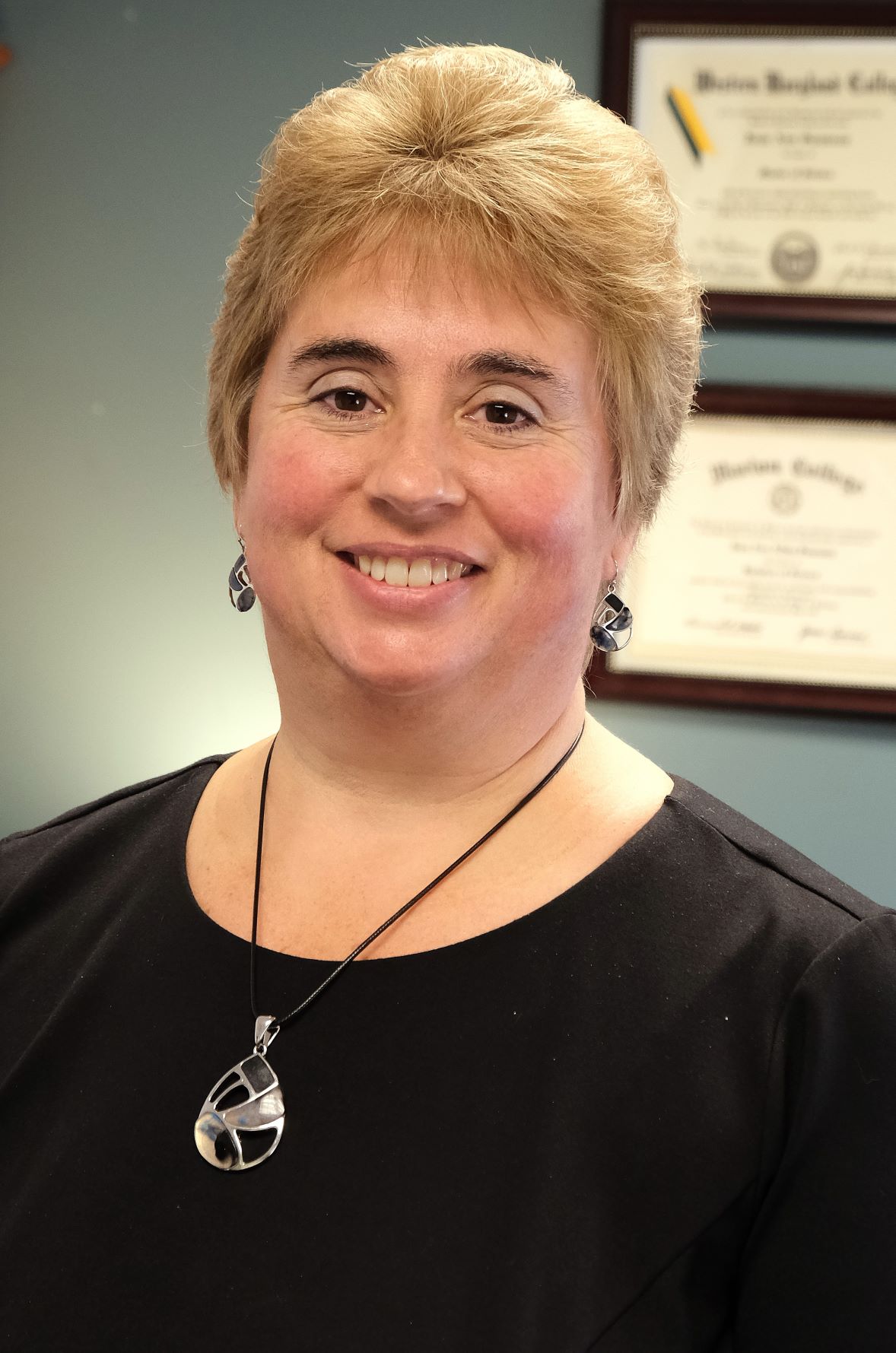
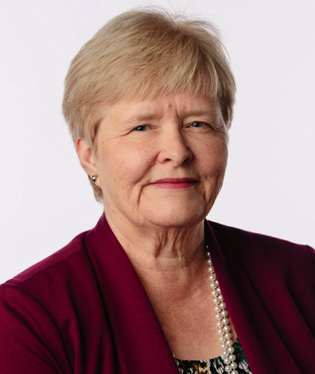
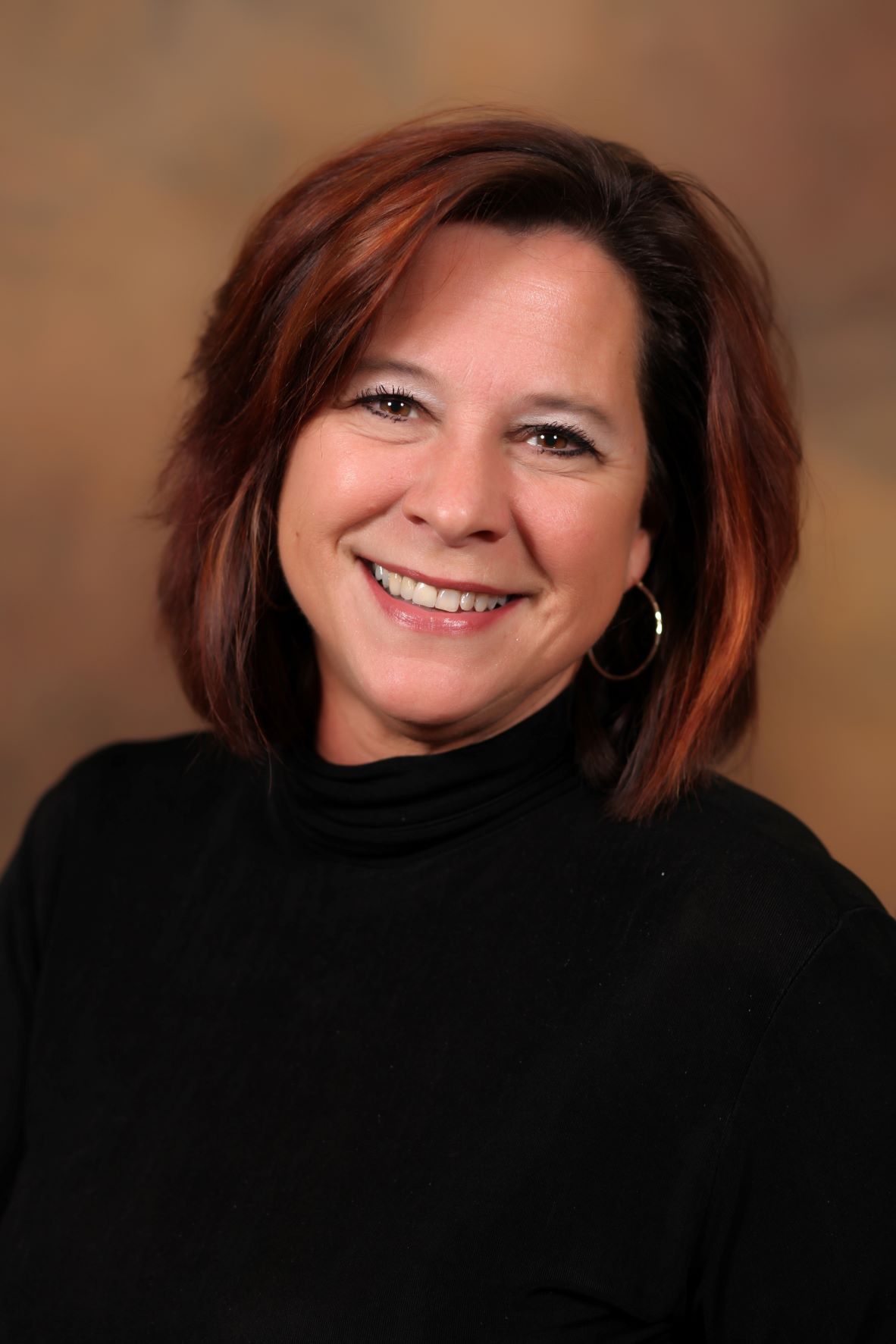
Betty Ann Rember, M.Ed., Southern Utah University

Betty Ann Rember is a Professor of Teacher Education and Family Development at Southern Utah University in Cedar City, Utah. She earned her M.Ed. and B.A. at Southern Utah University. She serves on multiple department and state committees and is the counselor for the SUU Chapter of Kappa Delta Pi, the International Honor Society for Education.

Why did you get into the field of education?

When I was in high school, I fell in love with accounting and anything business. I wanted to continue my learning and growth and to share it with others. I started as an accounting major, then learned I couldn't become licensed to teach just accounting. I had to change my major to business education, which I gladly did! It was what I was meant to do!

What advice do you have for a student who is preparing to become a teacher?

Teaching is tough. It isn't for everyone. I tell my students it is "the toughest job you'll ever love!" and follow that up with my tongue-in-cheek addition that I think the Army took that slogan from us. It is all about the passion. If you have the passion to make a difference, to help young people and contribute to their future, to share your expertise in your content - you'll make it. Passion is the key!

What tips do you have for preparing for and passing teacher certification exams?

Take note of the theories that you learn in your Educational Psychology classes as you see them play out in live classrooms. This will help you remember them in context! Spend as much time in classrooms as you can working with a variety of mentors and learning from them. With that practice, the questions asked on any state or national test will seem natural.

What tips and tricks do you have for easing the financial burden of the teacher certification process?

Look, connect, and ask. Don't assume there is no money for a specific session, course, or test. Look on the internet. Contact your financial aid advisors. Ask in your college and university department.

What advice do you have for prospective teachers trying to decide what age group, subject, and type of school to teach?

Get into the schools to see where your best fit is - volunteer as soon as you are able in all levels. You may find you LOVE elementary aged children: playing with the younger students or being able to joke around with older elementary students. You may find you LOVE the energy and openness of middle school students. You may find, as I did, that your passion lies in helping adolescents through that tough and trying time as they find who they are and start looking for their next steps in life.

How do you recommend that prospective teachers find support and community during their time as a student and new teacher?

This generation is better at this than I am. There are so many groups out there just for new teachers, student teachers, teachers who share grade levels or content areas - all via social media. Use them! Support each other! As I said earlier, teaching is tough, both physically and emotionally. You need support!

What are your most helpful self-care tips for teaching during challenging times, from difficult parent-teacher conferences to teaching online during COVID-19?

In addition to taking care of yourself through rest, nutrition, stress relief, etc., I would add these thoughts: Remember in your Classroom Management course when your professor shares the importance of being flexible. People who are flexible, naturally or trained to go with the flow and adjust on the fly, thrive in education. It is an ever-changing field. You'll have days where plans are changed the minute you arrive at school. You'll have to adjust lessons on the fly to accommodate students. You'll have interruptions, lessons that take longer than you thought or not as long as you planned they would, fire alarms going off in the middle of a lab, etc. Deep breaths and flexibility - with your eye on the prize - ALWAYS. The prize is what is best for students! Whether in the middle of COVID or working with a contentious parent, let "what is best for the student(s)" guide you. You'll be able to sleep at night knowing you did your best for your students. It helped me through tough situations in the classroom and as a principal!

Jennifer Tomon Stephens, Ph.D., University of North Carolina at Greensboro

Jennifer Tomon Stephens is the Director of the Teacher Education Fellows Program and an Adjunct Assistant Professor in the Department of Educational Leadership and Cultural Foundations at the University of North Carolina at Greensboro (UNCG). She earned her Ph.D. in Educational Studies with a concentration in Cultural Studies from UNCG, her MS in Counseling from the North Carolina State University, and her BA in Education from the University of North Carolina at Chapel Hill. As co-creator of the Toward a Liberated Learning Spirit (TALLS) model for developing critical consciousness, her work focuses on inclusive, justice-forward pedagogy and curriculum design.

Why did you get into the field of education?

I grew up in a household that valued education, and I saw the positive impact that my educator mother was making on the lives of young people day in and day out. I had many interests that took my career aspirations in different directions over the years, but the act of serving through teaching was a constant in all of those explorations. Ultimately, the pull to teach became too strong to ignore, and I followed that call into one of the most rewarding experiences of my life. I believe that an inclusive education is a key pillar of a just society and that teachers have the power to create positive and exponential change. How many professions can say that?

What advice do you have for a student who is preparing to become a teacher?

Teacher preparation programs lay a critical foundation for entering the classroom ready to engage in both the art and science of teaching and learning. However, talk of classroom management can seem nebulous, and simplifying the building of classroom community to the idea that “it’s all about relationships” can fail to acknowledge the complexity and work involved in developing and maintaining positive relationships. One reason classroom management can be a challenge for pre-service teachers is due to a misguided belief in a singular “right” way without consideration of a teaching and learning style that is authentic to the educator. My advice for pre-service teachers looking to establish an engaged, learning-centered, and inclusive classroom is to:

  • Consider your strengths, stressors, and ideal classroom to identify the conditions needed to create a classroom community that enables you to remain true to yourself and perform at your best;
  • Create a welcoming and engaging space that enables more efficient transitions, student ownership, and flexible learning opportunities that tap into your strengths and preferences;
  • Establish behavioral norms that build trust and allow for vulnerability, while implementing routines that increase student confidence and support without increasing workload;
  • Make time to learn your students’ interests, strengths, goals, and aspirations and find ways to incorporate personal connections and community-building into learning activities; and
  • Respond to disruptive behaviors as teachable moments, model making and addressing mistakes, attend to intent and impact, problem-solve collaboratively, and don’t be afraid to try again. (Stephens, 2020, 5 Keys to (Re)Claiming Your Classroom)

What advice do you have for preparing for and passing teacher certification exams?

Preparing for and passing teacher certification exams is about exposure and practice: to the types of questions asked and the types of content typically included to account for breadth of knowledge in a subject area. By nature of your coursework, you should have the background knowledge needed to achieve passing scores on teacher certification exams, but reviewing exam preparation materials and completing practice exams will help you feel more confident in your test-taking abilities.

What advice do you have for easing the financial burden of the teacher certification process?

The teacher certification process is an investment in your future and the futures of those students and communities that will be positively impacted by your being a teacher. Consider the costs early, budget for it as part of your educational expenses, and start saving incrementally by skipping the occasional indulgence (e.g., gourmet coffee, dinners out). Spread out over time, these periodic savings can add up quickly. You might also consider those in your life who might wish to gift you something for graduation or another important milestone in your life. Helping to offset the costs of your teacher certification might provide your loved ones with an opportunity to be in direct support of your career.

What advice do you have for prospective teachers trying to decide what age group, subject, and type of school to teach?

You don’t know what you don’t know, so seek out opportunities to get into different types of schools and classrooms of different grade levels and subject areas. If your teacher preparation program does not offer these opportunities, contact your local school districts to volunteer, substitute teach if eligible, or just observe. Notice your comfort level with the students, the subject matter, the school environment, the local community, and the community of teachers. Ask to informally interview teachers at different types of schools and from different grade levels and subject areas. What teaching and learning conditions seem to fit with your strengths and mitigate your stressors? As someone who initially pursued teacher certification in elementary education but ended up teaching middle school, you might be surprised what you find. Even if you feel confident in your choice of school type, grade level, and/or subject matter, having knowledge about other subject areas and grade levels will help you facilitate interdisciplinary and developmental connection-building in your own classroom.

How do you recommend that prospective teachers find support and community during their time as a student and new teacher?

Support comes in different forms and meets different needs. Aligning with a seasoned teacher mentor can provide guidance on the school culture, curriculum, common challenges, and instructional and behavioral preparation and intervention. Finding a community of peers (i.e.., other pre-service or new teachers) with whom you can commiserate and celebrate is also healthy for avoiding isolation and for keeping the creative and collaborative juices flowing. Not sure how to get started? Ask your school- or district-level administrators to match you with a seasoned teacher mentor. Join a local organization for educators. Look for communities of teachers online that align with your interests and values...or start your own. Whether through social networking channels or evening/weekend meetups, surround yourself with people who can empathize with the realities of your experience while also keeping a hopeful perspective toward what is possible.

What are your most helpful self-care tips for teaching during challenging times, from difficult parent-teacher conferences to teaching online during COVID-19?

Like classroom management and community-building, self-care is essential but not easily organized into a one-size-fits-all model. Any work that involves navigating the complexities of the human condition is going to have its challenges, so having a system of self-care during both the stressful and less-stressful times is going to be important to sustaining a career in education. One person’s bubble bath wind-down is another person’s roadblock to accomplishing the day’s goals, so you need to identify those experiences that bring you joy, relieve stress, and re-energize your body, mind, and spirit. Carve out space for these experiences in your daily and/or weekly routines. You also may need to identify those experiences that add to your stress and recognize that sometimes taking something away (like browsing social media) is just as important to self-care as adding something (like meditation).

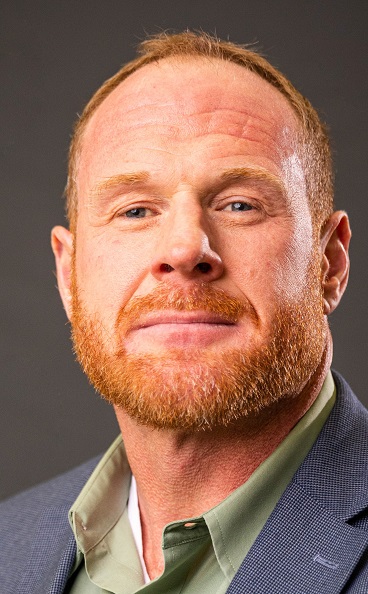
Derek Anderson, Ph.D., Northern Michigan University

Derek Anderson, EdD, is a professor of education at Northern Michigan University. His recent research interests include social studies curriculum, and teens’ social media use and their political socialization. Prior to becoming a professor, Derek was a middle and high school teacher and coach for 10 years.

Why did you get into the field of education?

I always liked learning, so it was logical to become a teacher. While working as a middle school teacher, I had the opportunity to teach some adjunct classes at the local university, and I realized I could have a bigger impact by teaching teachers. So, I pursued my doctorate and eventually became a full-time professor.

What tips do you have for preparing for and passing teacher certification exams?

Just take your courses seriously. If you pay attention in your classes and try to learn, rather than do merely what is necessary to get the grade you want, you won’t need to do any additional prep.

What advice do you have for prospective teachers trying to decide what age group, subject, and type of school to teach?

Observe in various classrooms before deciding. Though you were a student at each grade level, memories are unreliable. Take the time to sit in on some classrooms with a new lens – that of a prospective teacher.

How do you recommend that prospective teachers find support and community during their time as a student and new teacher?

Be nice and friendly to everyone, and recognize that everyone has something to teach you about the profession. Everyone is a resource and ally, so don’t discount any relationships.

Lisa Arrastia, Ph.D., Massachusetts College of Liberal Arts

Dr. Lisa Arrastia is an assistant professor of education at Massachusetts College of Liberal Arts, the Founding Director of The Ed Factory, and President of the Board of Kite’s Nest, a liberatory education center in Hudson, New York. Originally from New York City, Dr. Arrastia has been an educator for 25 years as a former school leader, founder, teacher, and equity consultant in schools in rural New York, New York City, Chicago, and the San Francisco Bay Area. Dr. Arrastia's fields of concentration are audioethnography, critical childhood studies, and race-based epistemologies, and her scholarship investigates pedagogies of culture at the intersections of racial capitalism, masculinity, social class, place, and school. Dr. Arrastia is the co-editor with Dr. Marvin Hoffman of Starting Up: Critical Lessons from 10 New Schools (Teachers College Press) and several book chapters and articles on education.

Why did you get into the field of education?

In 1996, when I entered my first school as a conflict resolution, peer mediation, and bias awareness trainer, and I saw how critical literacy made the kids come alive, engaged, purposeful, and determined, I knew that I had to be in a classroom. I needed to be in a school every day of each week that a school is open. I saw that partnering with students from Bushwick, Brooklyn and the South Bronx to the rural and Hasidic areas of upstate NY were essential to making school and life in general sustainable and important for kids. I realized that collaborating with students to interpret and deconstruct the world together, through real-world quantitative reasoning, narrative interpretation, historical connections, and intentional community engagement, just might change the world for good. Today, this sounds lofty and naive, but all these years later, in 2021, I still hold onto a small piece of this same hope. And I hold onto this seemingly mote of hope despite the fact that schools have been compelled by the State to become less flexible, more uniform, and less connected to the spirit of childhood and the importance of community, family, and innate humanity.

What advice do you have for a student who is preparing to become a teacher?

Listen across difference, listen to understand, know where your line of integrity begins and ends, and hold onto it. Use your integrity as your North Star.

You will be pushed and pulled by district mandates, by seemingly unrelated standards, by high-stakes state tests that may, in some states, determine your progress, but you must be guided by the young people who surround you. This means you will sometimes find yourself feeling as though your economic livelihood is at risk. Know this: you will always find a job (especially if you are flexible about where you reside). It is a fact that you can always return home. You will be better prepared and emotionally and pedagogically stronger.

The teaching job that is right for you in the school that is right for you exists if you stand by your integrity. You do not have to suffer and fight all struggles through one school or one district. That is a part of self-care and self-preservation.

Colleagues, there’s a line down the center of your being. It runs from about your solar plexus down to your grounded feet. If you close your eyes and breathe, you’ll find this line that connects you to your center. This isn't woo-woo. This is real. This is your integrity! Whenever you feel the field of education moving you off this center line, you’ll know what you're doing is not in the best interest of yourself, your students, their families, the community, and yes, even our world.

I won’t try to soften this. This sticking to your integrity takes time, energy; it takes strength. And so you must exercise each day to hold onto your line. Take each moment when someone or something tries to push you off balance as an opportunity to exercise the muscle that is your integrity. Simultaneously, remain open. Yeah, what a tough balance to maintain. So, know you won’t always maintain it. What you’re going for is the best that you can at the best times you can. That’s it.

How do you recommend that prospective teachers find support and community during their time as a student and a new teacher?

Just like every school leader needs at least one teacher in the school whom they can trust and who the faculty trusts, you, too, need not just one person but a posse. And your posse must be made up of a diverse constituency: teachers from your school and other local schools who have a similar sort of integrity, families who believe in what you do educationally and for kids, community-based organization leaders and workers who support youth voice, and professors at your local college or university who hold the same center line as you.

Read critical theory and critical perspectives on the world––all will inform your practice. Read Ahmed, Ayers, Ferguson (from Yale), Gutstein, Nowak, Carini, Kohl, hooks, Freire, DG Kelley, Au, Motel/Harney, et al., watch, listen, attend meetings (you don’t have to speak, just listen, remain open, and take in the very phrases people use to describe their experiences). Begin building your posse.

When you find someone whom you think might be a colleague, don’t be afraid to invite them for tea or a Zoom. Video-conferencing can be easier because people can meet from home where they are comfortable or where they have to attend to family responsibilities. We want to make gathering easier for working people like yourself. When you find multiple colleagues that hold the same center line as you, be bold. Ask if they’d be willing to meet for 60-90 minutes to just hang and share who you all are and what is collectively similar and working across your classrooms.

Ultimately, you need to avoid being alone, feeling isolated, or thinking you’re in a struggle on your own. Keep reminding yourself that you're not because you aren't. You will have to make an effort to connect with others, no matter how tired you are from teaching that day. And you will be very tired that first year because, if you’re reading this, you are who we all were in our first year of teaching: ready to use every ounce of spirit, knowledge, love, and energy. This means you’re meant for this, though.

Tip: save time each day for you to take just three deep breaths as a start to a longer practice. Three deep breaths. That you can do. Otherwise, you won’t make it because as teachers, I’ve always said, we are like the surgeons of the world. We have the most important job in the entire world. Yes, even beyond a president of a country. Why? Because the president of a country couldn’t be a leader without a teacher. A surgeon couldn’t learn to understand how to read a medical textbook without we PK-12 teachers. Because, most significantly, as teachers, we hold space for the most precious: children––theirs, ours, all. We serve as the buffer between our children’s efforts to navigate this world of which adults have, honestly, botched, for now. Our kids are trying to pilot their own selves, friendships, social media, and school; hence, we teachers? We are doing it all.

What are your most helpful self-care tips for teaching during challenging times, from difficult parent-teacher conferences to teaching online during COVID-19?

  • Read and mark up Macarthur Genuis Award winner's, Sara Lawrence-Lightfoot, The Essential Conversation: What Parents and Teachers Can Learn from Each Other (NY: Ballantine Books, 2004 ) and the first chapter of William Ayer’s To Teach: The Journey of a Teacher (NY: Teachers College Press, 2001; get the original, not the graphic novel version). Reading these books will help you shed the inevitable armor we forge out of fear or after reading seemingly disgruntled emails from parents or administrators pre-conference day. These books will help your head, heart, and mind remain open as you prepare and enter parent-teacher conferences, especially the ones you anticipate to be a challenge.

    During the conference, breathe and listen to understand rather than openly gasp, clench your fists underneath your desk, or devise ways to make the family see that your way is the best way within the two-five minutes you’ll be allotted or through their child (the latter being the worst device). Trust that even the most hostile parent knows something about their child that can help you reach and teach their child.

  • Avoid the “you” personal pronoun in your conferences. Refer to the child by name. Refer to the family members by name. Pronounce names correctly. Recognize that family is not always those who gave birth to and raised the child. The person sitting with you on parent-teacher conference night could be a neighborhood Auntie or Uncle or a great grandmother seemingly as young as you. No matter who they are, honor that they found a way to show up just like you etched out the time to prepare and show up.

  • Avoid pejorative adjectives to describe the child or their work, but don’t withhold information because you are afraid of being deemed an ableist, heterosexist, or racist. Families need specific, manageable strategies they can employ at home that align with their children, work schedules, and family dynamics. That means you have to get to know your families.

    Be objective and state the facts during a conference regardless of a students economic, racial, religious, or gender background. I’m not saying that race and gender, for example, don’t have a dangerous economic and political effect on our kids.

    Make a record (written or internal) of your stereotypes about, for example, working poor rural whites; Muslims; Latinx people; Black Americans; immigrants; Africans; Asians; boys; men; girls; transgender and queer people. Be honest with yourself. Keep this written list about various social groups private so that you learn to become vulnerable with yourself first. Keep the list at home and store it in the back of your mind. Indeed, surprise yourself and be really honest about the beliefs you hold that you were taught, who and what taught them to you, and who and what socialized you to think they are always true. Label your private list, “What I’ve Been Socialized to Believe but Probably Isn’t True.”

    Finally, avoid the verb “is” in your conferences. No child forever “is” what you saw yesterday, today, or for the entire academic or summer school year. We don’t want our teaching to socialize a child to believe that they are who we think they “is” at one point in their young lives. Also, avoid “can’t,” because it’s just not true. No child can’t. They might "won’t" do something because they are protecting their senses, their sense of self, their pride, their human frailties, their honor, their family secrets, the social pressure of the rules and regulations of friendships and schooling, but that’s not a diagnosis of “can’t.

    Example of a teacher in a parent-teacher conference who has not yet embarked on the journey of recognizing notions of difference: “Theo is fidgety. He can’t sit still.”

    Example of a teacher in a parent-teacher conference attempting to be on the lifelong journey of recognizing and wrestling with notions of difference in their own lives (again, stick to facts, not judgments): "When Theo writes on his own in the class, his writing is fluid. Both he and I can see him working out his ideas. What ideas do you have for when Theo writes with a partner or in, say, a group of three, because that is when he wants to work out his ideas but he finds the ideas of others to be more engaging?” Yes, ask the families their opinion! Most will be shocked you asked; some, frustrated with schools, might throw back at you, “Weren’t you trained to know?” Ignore the latter, share “I have some ideas, but you are with Theo more hours than I am, so I trust what you know about your child. I want to partner with you."

  • Acknowledge to yourself that school remains a scary place for students, their families, and even you. In the US, we have not yet made all schools welcoming places for the communities they educate and take care of.

  • If a family member or family representative comes in determined to undermine the child, hold up the child as if their human child is infallible, or ignore or deny obvious issues or successes, stick to your center line: your integrity. No need to ever refute or dispute a parent. Just state observable facts without judgment. Describe without judgment. Use statements like, “This is what I see . . .” or “This is what Theo has shared. . .”

    Model for the family how to practice this way of seeing their child. Demonstrate that nothing will ever sway you to bond with them in criticizing or degrading their child. Illustrate that you see and believe in their child’s humanity. In this way, even if a family member says, “You hate my child. That’s what they came home and told me!” You can walk away knowing that this is not the truth; it is, instead, perhaps, a family member’s own way of knowing and being, some reaction from their own past with school or a bad day at work or a challenging life. Acknowledge what’s said, then tomorrow, after the conference, go back to partnering with their child.

  • Avoid suggesting a child be tested for a learning difference in a parent-teacher conference until you have done the confidential, behind-the-scenes work of really observing the child in your class and the classes of others. Your suggestion must be based in observable behavior that is free of judgments and stereotypes. This sort of suggestion should be saved for a different meeting that you might have to make an extra effort to schedule, one that is outside the two to five minutes that a parent-teacher conference provides. Imagine hearing such information about your child and have no time to query, respond, wonder, be scared or even hopeful.

    Be willing to admit when it is you who might need to find diverse ways to teach (what we call differentiate) rather than the student who has to find a way to learn like too many assume all others do. We are all neurodiverse. This does not mean you should not learn what autism on the spectrum can look like in behaviors. It does mean that teaching is a creative art. Finding a way to partner with each child is something about which you need to practice being intrigued and excited by because it allows you to bring out your most courageous and creative self. This is when you become a true intellectual worker for yourself and your students. It’s why we call teaching a profession.

  • Remember that the definition of “rigor" is embedded in violence. Neither a child nor you want to be engaged in such a practice. It’s a misnomer that schools in the US and international schools have embraced to make their academics appear as though rigidity, austerity, and intransigence will somehow make a better student. The question missing is, will “rigor” make a better human being. So, consider vigor instead.

  • Begin to cultivate the belief that schools must adapt to children, not the other way around. Once you do that, you are on your way to believing that you, what you have studied, practiced, experienced, and honor matter. This is a step toward what we now call “self-care.”

Teaching is not just a job. And if we think about how little we get paid versus how hard the work is, we’ll give up. Remember that teaching is a lifestyle choice. You could have gone to school to get licensed to do something else or to do something that does not require a license. Instead, you chose teaching, and you chose It for an important, very personal and professional reason. Find ways to remind yourself why you made this choice. Post-Its in your car or on your bathroom mirror, a note in your wallet. Whatever it is, find the ways.

Teaching is arduous, emotionally consuming (it is, don’t forget, emotional labor), intellectually demanding, politically partisan. The classroom, no matter how hard you try, is not neutral because education just can’t be in a complex world filled with so many different kinds of human beings. So, recognize that you're in a role in this world, inside the very heart and mind of a young person who matters so much that they will remember you when they are 50- and 60-years-old.

Consider, How do I want to be remembered and how do I want to remember myself? Cultivate that person now. You will and should assume this person is, deep down, knowledgeable about their subject, compassionate, caring, simultaneously creative and organized, energized in their own way, different, and on the road to being open.

Before you enter the classroom each morning, put your hand on the knob of the door. Take three deep breaths that no one can hear. Say to yourself, “I will love each and every one of them.”

Another tip, one to which I don’t actually subscribe but a teacher who I think is the best high school math teacher in the country (and was awarded the President’s Award) does. At the end of each day, no matter how exhausted, write down what you feel you could have done better and an idea of how to do whatever it was differently the next time. I can’t imagine this takes more than about 10 minutes. And, it’s good to let out those feelings and ideas that you beat yourself up about somewhere before you get in the car after work or before you go to sleep because often in teaching you have to be your own best friend, your own believer. Guaranteed, you weren’t as bad as you thought.

What do I do? When I’m driving home (or when I led schools in Chicago and NYC and took the subway home, and still today as a professor of education), I’d run through the various decisions, interactions, experiences I felt I could have done better. I would think about how to do at least one of those experiences differently the very next day, or I would plan an opportunity for when I could do whatever it was differently. Often, this involved getting up the guts to speak directly with someone and admit what I hadn't understood at the time and even asking how I might do whatever I felt I didn’t do well differently. I didn’t always agree with the suggestions, and the recommendations weren’t always right, but I could always find grist inside them to make me be a better teacher or school leader; to make me feel okay; to line me up with my center, my integrity.

Eugenia Lambert, Ed.D., Marshall University

Associate Professor, Director of Leadership Studies at Marshall University in Huntington, WV. Eugenia has been an educator for 34 years, ranging from Preschool Special Needs to Doctoral Candidates.

What advice do you have for a student who is preparing to become a teacher?

Do you feel “called” to teach. I believe it is like being a preacher, there is a power that calls you to do this. It’s not a last resort, or there are no other options. It’s a great mommy job, but that’s not the reason to be a teacher. Feel the call. Your students deserve someone who WANTS to be there and WANTS to make sure they are learning.

What tips and tricks do you have for easing the financial burden of the teacher certification process?

Work as a teacher’s aide as you go through the process; it will be a job and get you in tune with whether this is what you want. Check with your local Educational Service Agency; many of them offer grants.

What advice do you have for prospective teachers trying to decide what age group, subject, and type of school to teach at?

This should be part of your calling. What do you feel passionate about doing? Do you love the wonder in the eyes of a 1st grader, or the attitude of a middle school student who can’t help but like your class? At what are you great? Do that!

How do you recommend that prospective teachers find support and community during their time as a student and a new teacher?

As a student, join clubs and organizations on campus. You have to be a friend to make friends. Get out there. Find a school in which to volunteer. Find a professor who is working on a project and could use some extra help.

As a new teacher, volunteer, join in, be involved. Meet the community, go to the ball games. Talk to your students. Get to know their parents. You represent the school, don’t go out in your worst outfit, go out in something in which you’d be proud to meet the superintendent. Go to ball games, choir concerts, or even dances. Let the community know you want to be involved.

Dr. Joan Swanson, Franklin Pierce University

Dr. Joan Swanson is the Director of Education and Associate Professor at Franklin Pierce University. She teaches undergraduate and graduate education as well as psychology coursework. Her research mainly focuses on emerging adulthood and educational technology. Dr. Swanson is passionate about mentoring and working with college students, especially in teacher education.

Why did you get into the field of education?

I became a teacher and then a teacher of teachers because I am passionate about learning. I love to see a person learn and grow into their potential.

What advice do you have for a student who is preparing to become a teacher?

As you prepare to become a professional educator, remember that you have to be flexible. So much happens during the learning process including interruptions, distractions, and personal learning struggles. An educator needs to get to know their student(s) so that they can best facilitate learning situations. When one plan doesn’t work, reflect on why and what barriers exists, and then try another approach.

What advice do you have for prospective teachers trying to decide what age group, subject, and type of school to teach at?

The best advice I could give a prospective teacher is to take advantage of every opportunity to gain experiences at each age level. Volunteer to work with kids and youth, seek out employment opportunities working with children, and take advantage of field experiences to learn and experience working with individuals at various age levels. I would also recommend that students study about and visit many learning situations – both public and alternative. See where you feel most comfortable. Also, to determine the content you want to teach (if secondary) consider what areas are most interesting to you. If elementary, take in as much broad content as you are able since you will be teaching multiple subjects. Both your experiences and passions will help you narrow your future direction.

How do you recommend that prospective teachers find support and community during their time as a student and a new teacher?

I would recommend that prospective teachers surround themselves with positive influences. It is helpful to be around others who are interested in the field of education because they will have similar interests and perspective on the many hurdles you will need to face to become a successful educator.

Joyce Lee Yang, Biola University

Joyce Lee Yang served in US K-12 public education for over 20 years. She's held positions as a teacher and school site administrator at traditional public and charter schools in California, Minnesota, and Illinois. Currently, she is an Associate Professor at Biola University in the Teacher Preparation Program.

Why did you get into the field of education?

I have always enjoyed helping people so when I considered what to study in college, I originally thought about social work. After consulting with my parents, they directed me to teaching, which I had honestly never considered before they suggested it. Teaching is a way to help people. Throughout all my years of teaching, there's a huge sense of satisfaction in seeing that lightbulb go off for a student when

What tips do you have for preparing for and passing teacher certification exams?

Study. Use those prep books. Try to understand concepts and how to apply them rather than just memorize them. Memorization is important since some parts of the exams require recall, but some of the exams are also about one's ability to think and apply the skills.

What advice do you have for prospective teachers trying to decide what age group, subject, and type of school to teach at?

Volunteer with a variety of age groups - whether at your local schools, religious institutions, coaching, etc. You won't know until you're a fish in the water. When our teacher candidates do fieldwork (100+ hours), they get to experience different grade levels. That's a great way to figure out what you like. We always have students who think they want to teach Kinder and then end up loving 6th graders. So be open, even if you think you know. I also tell our multiple subject (K-6) credential students that there's a big difference between Kinder and 6th. I would be miserable as a Kinder teacher as it's just too young for me, and I know this having done a semester of student teaching in K. If I had started my career in a K classroom, I'm pretty sure I would've left teaching after one year. Teaching as an enjoyable career can very much be about finding the right grade (that sweet spot for me is 3rd grade) and/or finding the right content. Just because someone doesn't enjoy teaching K doesn't mean they should be a teacher. It might just mean they shouldn't be a Kinder teacher.

What are your most helpful self-care tips for teaching during challenging times, from difficult parent-teacher conferences to teaching online during COVID-19?

This is a big question with a lot of parts. Self-care is challenging for teachers because many teachers are naturally givers. Also, for the first few years, the learning curve is just very steep. That curve is even steeper if every year one is assigned to a new grade level or course. But after the first few years, if one is fortunate enough to teach the same grade level and/or content at the same school, it does get better. Hopefully, you've got your classroom management systems in place, you're more comfortable engaging parents, and you're more knowledgeable about the curriculum you're teaching. Having said all that about the first few years, it's hard for me to say "Don't work on the weekends", when I know that's not entirely realistic in the beginning. I will say that carving out time for self-care is important from the start of one's career, because then you make it a point to set it as a priority.

The best piece of advice I'd give to any prospective teacher is to keep learning so your passion for teaching burns brightly. Ongoing learning is the best way to protect yourself from burnout. Even if you teach for 35 years, learn until the very last day you step foot in the classroom. COVID gave us the perfect opportunity to learn new things to improve our teaching practices. I learned so many new ed tech platforms in the past 18 months, which I've now adopted into my in person teaching.

Dr. Shane Brown,Lee University

After spending 11 years teaching in the Bradley County School System in Cleveland, TN, Dr. Brown took his passion for mentoring new teachers back to his Alma Mater, Lee University. He currently serves as Director of Teacher Education, Field Experiences and Certification as well as an Assistant Professor of Elementary Education.

What advice do you have for a student who is preparing to become a teacher?

Get plenty of experience in the classroom early and make sure this is what you are called to do. Teaching cannot be your job, it must be your Vocation and calling. It must truly bring you joy and fulfillment even on the hard days. That's when you know it’s right for you. Never cease to be a lifelong learner. Teaching is about you learning as much as your students.

What tips do you have for preparing for and passing teacher certification exams?

ETS has provided some excellent resources for free study materials. There are YouTube videos and Facebook groups, and flash cards even that can help you prepare. Study with others who have taken it already. Begin early, don't cram for them. Connect with professors on campus who provide materials or knowledge of the actual tests.

What advice do you have for prospective teachers trying to decide what age group, subject, and type of school to teach at?

Get into Schools often and early. Connect with Alma maters and observe teachers across all grade levels and subject areas. See what really drives you and the desire to teach. It will be very evident where your fit is. Don't be afraid to try a grade level you didn't think would be good for you. You might be surprised.

How do you recommend that prospective teachers find support and community during their time as a student and a new teacher?

Depend on your support group as a student. Remember that all these students are going through some of the same things as you are. Don't manage it alone. Bear one another's burdens as you learn and grow. When you become a teacher, stay out of the lounge. Find someone on your grade level team you connect with. Request a mentor if one is not provided for you. Even if it is not on your grade level team, find that person that you just really mesh with and develop a community of trust and relationship with them.

Dr. Joe Peters, Dean of Education at Georgia College

Dr. Joe Peters is the Dean of Education at Georgia College in Milledgeville, GA. He currently serves as a board member of the American Council on Education Fellows, Oconee Regional Educational Service Agency, the Sandra Dunagan Deal Center for Early Language and Literacy, and the Lockerly Arboretum. He also volunteers with the Baldwin County Sheriff’s Office, is the Past President of the Milledgeville, GA Rotary, and is President of the Georgia Association of Colleges for Teacher Education.

Why did you get into the field of education?

K-12 school was always a problem for me. I did not attend kindergarten and spent first grade in the hospital. We then moved across country and I basically started in second grade at a whole new location. Differentiated learning was not a part of the pedagogical practice at that time, so I was always behind and my grades suffered. Eventually I dropped out of school and joined the Army when I was 17. When I got out, I wanted to make a difference for those children like me who struggled with school. I took the GED and applied to college in a teacher preparation program. After I graduated, I taught elementary and middle grades science before going into university teacher preparation.

Why did you get into the field of education?

First of all, look for what scholarships the institution offers. These can often go unused. There are also state, regional, and national scholarships that are offered (see http://www.collegescholarships.org/scholarships/teaching-students.htm). Do not be afraid to ask. The worst that can happen is they say no. Also, look for special programs for teachers such as a paid internship as you are going through a program. The US DOE also provides TEACH grants and states may have similar programs that support teachers. There may also be low interest loans through the states.

What advice do you have for prospective teachers trying to decide what age group, subject, and type of school to teach at?

The best thing to do is visit or volunteer in various classrooms early in your studies. If you are really unsure, one suggestion is to pursue a Special Education degree. This allows you to teach a wide range of grade levels and subject areas. Special Education teachers are also in high demand. According to the US Bureau of Labor Statistics “About 38,600 openings for special education teachers are projected each year, on average, over the decade.”

How do you recommend that prospective teachers find support and community during their time as a student and a new teacher?

Check with the districts or schools to see what programs they have in place. It is common to have a more experienced teacher partner with you for the first few years, so you have someone to go to with questions. Many states and districts have formal programs. According to the Education Commission of the States, “Thirty-one states require induction and/or mentoring support for new teachers.

Dr. Gregory Green, Chair of the Teacher Education Program at Fort Valley State University

Dr. Gregory Green is a professor of Health and Physical Education at Fort Valley State University, where he serves as chair of the HPE Department. He received his Ph.D. from the Florida State University, M.S. from Georgia Southwestern, and his B.S. from Albany State University. Dr. Green also provides leadership for the department’s service program and serves as a health, fitness, and wellness consultant for several public school districts. He is a member of the American Heart Association and SHAPE America.

Why did you get into the field of education?

The reason I went into the field of Education is that I saw a need to help others to become the very best and well rounded. I had many positive role models who would not allow me to say no to teaching.

What advice do you have for a student who is preparing to become a teacher?

First of all you should have a caring heart, because students don’t care what you know until they know you care. Then they become teachable. They need to observe as many experienced teachers as possible. They need to ask themselves why they want to become a teacher and let others assess whether they are valid reasons. Students need to study various models on classroom discipline , management and lesson planning to further understand the dynamics of teaching.

What advice do you have for prospective teachers trying to decide what age group, subject, and type of school to teach at?

Age, school type, and subject require some self-reflection. For starters, guiding questions to ask oneself may be: What group do I spend the most time around? What subject did I enjoy the most in high school?

What areas do my peers seem to struggle most in(Reading, Writing, Math, Poor physical Skills, Obesity, etc.)? Where is my true passion ?

How do you recommend that prospective teachers find support and community during their time as a student and a new teacher?

For support, they need to identify a mentor teacher that works in the same system but not necessarily in the same school. This could be someone with many years of experience and is well known. It is beneficial for new teachers to join professional organizations that will also provide meaningful support. Also, PTA meeting can be a valuable as well as volunteering service in places such as Habitat For Humanity, Boys and Girls Club, Recreation departments, Senior Care Homes, etc.

Dr. Janet Arndt, Gordon College

Dr. Arndt is a Professor and Dean of the School of Education at Gordon College, Wenham, MA. Prior to college teaching she served as a teacher, Early Childhood Specialist, guidance counselor, and principal. Her areas of research are family/school partnerships, transitions, mentoring, and the use of Universal Design for Learning in teacher preparation. Her writings appear in peer-reviewed journals and chapters in books

Why did you get into the field of education?

First, I enjoyed working with children. Secondly, I enjoyed learning and sharing what I learned with others. Thirdly, teaching fulfilled my desire to serve others and help them be successful learners.

What tips do you have for preparing for and passing teacher certification exams?

Start with looking at the objectives of the tests. Determine what you know, what you have difficulty remembering or need to learn. Set up a goal to work on learning the content that you realize is more difficult for you or that you do not know. Don’t cram for the test, but study over time so you learn, review, learn, review. This process is an effective way to help you remember what you have learned.

What advice do you have for prospective teachers trying to decide what age group, subject, and type of school to teach at?

Volunteer with different groups such as Scouts, afterschool clubs, religious groups, visit different grade levels in schools and tutor students, etc. If you have a particular content that you enjoy, think about teaching it at a particular grade level. Visit classes in that content area to watch the teacher of that content and grade level to see if you would enjoy teaching the content they are teaching.

What are your most helpful self-care tips for teaching during challenging times, from difficult parent-teacher conferences to teaching online during COVID-19?

Eat healthy and sleep so your body is able to handle illness and stress. Talk with colleagues who are experiencing the same issues. Processing issues with others helps one to take a step back, analyze the situation, and develop helpful strategies for handling these difficult situations.

Dr. Kelley Brock-Simmons, Brenau University

Dr. Brock-Simmons is an Associate Professor at the esteemed Brenau University in Gainesville, Georgia. She serves as the Department Chair of Graduate Programs and the Director of the Ed.D. Program. She regularly teaches education courses at all levels from undergraduate to doctoral level. Her specialty is Special Education and literacy methods.

What tips do you have for preparing for and passing teacher certification exams?

In several states there are two types of certification exams: content and performance. Preparing for and passing the content exams depend on how much knowledge you retained from your content courses such as "Teaching Math" or "Teaching Science". When thinking about the performance based certification exams, you need to apply what you learned about the three areas of effective teaching. These would be 1) planning, 2) instruction and 3) assessment of learning. No doubt you will be introduced to and thoroughly drilled about these three areas of teaching. Be sure to pay attention to the theory behind each of these areas, the role each of them play in the process of teaching and learning, and how to justify any instructional decisions you make. A good teacher prep program will prepare you for any and all state required certification exams.

What advice do you have for prospective teachers trying to decide what age group, subject, and type of school to teach at?

This may be an easier question to answer than you think! Most pre-service teachers have an innate sense of the age group they are most interested in working with. Are you most excited about leading hands-on chemistry labs while inspiring young scientists? Then, you probably want a middle or high school environment. Or, does introducing young children to the wonders of independent reading fill you with a sense of pride? If so, you want to move towards elementary education. Most pre-service teachers don't think too much about the type of school in which they want to eventually teach. Most are more concerned with fulfilling requirements for certification of the grade level and/or content area (such as math or science). After graduation, when job offers are coming your way, you may begin to think about the pros/cons of a large school district versus a small, rural district versus a faith based school or even a charter school.

How do you recommend that prospective teachers find support and community during their time as a student and a new teacher?

While you are a student there are obvious ways to be a part of a learning community. You attend classes together, work on group projects, meet informally--all providing you an opportunity to talk about challenges and inspire one another. But, when you are a brand new teacher, you may find yourself overwhelmed with the fast pace of leading your own class, meeting the demands of your administration and parents, and doing your best to learn a new school and its culture. As difficult as your first few years will be you need to remember to practice self-care. And, a part of self-care is feeling like you are part of the school wide "family". Don't be shy or intimidated by serving on school wide committees or attending the occasional social event. You will quickly experience a sense of belonging and you will find that the vast number of veteran teachers are willing to help you and support you.

Erica Kwiatkowski-Egizio, Ph.D., Lewis University

Dr. Erica Kwiatkowski-Egizio is an Associate Professor at Lewis University. She is also the Co-Director of the Secondary, Middle, and Foreign Language Education Programs. Dr. Kwiatkowski-Egizio has been working in higher education for 23 years.

What tips do you have for preparing for and passing teacher certification exams?

In each of our special methods courses, professors put together review packets for the content exams. I always tell students to take the exam as early as they can in the program (once content courses are complete), and I encourage them to purchase the practice exams from the ILTS website. If someone is having difficulty passing their content exam, they meet with their content advisor to get additional resources to review (in areas(s) they are struggling in).

What advice do you have for prospective teachers trying to decide what age group, subject, and type of school to teach at?

I encourage them to take our Introduction to Education course. This course does not focus on one specific grade level, for it is an overview of all our education programs. I spend a few class sessions in which I have the program directors from each of our education programs come in to talk to the students and answer their questions. I also have students in this course do a school visit and a teacher interview to help them discern which grade levels they may be interested in.

How do you recommend that prospective teachers find support and community during their time as a student and a new teacher?

?Because we are a smaller university, our classes are typically less than 30 students. Most of our programs have students take their courses in a certain order, so the students become part of learning communities. In addition, every student is given an advisor who is a professor in their education program that they can contact at any time. Almost all of us professors also five student our personal cell numbers so they can reach us in a variety of ways. In addition, we have a variety of clubs and organizations (Teachers of Tomorrow, Best Buddies, etc.) that the students can join to build additional communities.

What are your most helpful self-care tips for teaching during challenging times, from difficult parent-teacher conferences to teaching online during COVID-19?

?We always encourage our students to find a balance between their classes, clinicals, and their personal lives. We have a "snack lunge" on the bottom floor of our building where students can grab a snack and have some time just to be social. We also hold regular seminars during all of their clinical experiences where teacher candidates can discuss successes and challenges with us and their peers. We often take that time to discuss a specific challenge and how we might go about addressing it.

Aryn Davis, Daytona State College

Aryn Davis has over 15 years of experience in the classroom, including the K-12 system as well as in higher education settings. She is currently an Assistant Professor in the School of Education at Daytona State College. Professor Davis specializes in STEM education and has a passion for teaching and learning.

Why did you get into the field of education?

I've always enjoyed being around children and wanted to become a teacher from a very young age. I loved school and was blessed with amazing teachers of my own. In high school, I was enrolled in an Early Childhood Education course that included working at an on-campus preschool. That experience solidified my desire to become a teacher, and the rest is history!

What advice do you have for prospective teachers trying to decide what age group, subject, and type of school to teach at?

Be open to every possibility. I completed my student teaching internship in a first-grade classroom and was sure I wanted to teach primary grades. I was hired to teach third grade at a Title I school my first year, and I loved it more than I ever could have imagined. In fact, I taught there for 8 years. All in all, my favorite grade to teach was fifth grade! I never would have known my love for older elementary students if I'd stayed within my comfort zone. Be willing to take risks, and do your best to look at everything as an opportunity to learn and grow.

How do you recommend that prospective teachers find support and community during their time as a student and a new teacher?

As a student, make connections early and often. Try a Slack channel, a group text, or something else that works for real-time communication and problem-solving. As a new teacher, don't be afraid to ask for help! We all want to look professional and capable, but sometimes that means admitting you need assistance or new ideas. If you can get to know teachers who have been in the profession for a while, even better! They've seen it all and can offer realistic solutions and insight. Again, be open to new experiences and friendships, and the time investment will be absolutely worth it!

What are your most helpful self-care tips for teaching during challenging times, from difficult parent-teacher conferences to teaching online during COVID-19?

Right now so many teachers are hearing that they should take care of themselves, but while massages and coffee dates are great, true self-care probably needs to go a little deeper. Learn to say no, step away from work without guilt, and remember that you can't take care of anyone else if you're not taking care of yourself first. I once saw a quote that said something like, "A good teacher is like a candle, consuming itself to light the way for others." You are NOT a candle, and your job should not consume you!. You are a human that deserves boundaries and rest, so don't forget to take a break when you need one; the work will be there when you're ready and you'll be better prepared to tackle it.

Vanessa Vandergraaf, Ed.D., Lindenwood University

Dr. Vanessa Vandergraaf is the Department Head of Advanced Graduate Programs and an Associate Professor of Education at the College of Education and Human Services at Lindenwood University. Vandergraaf's teaching and learning are motivated by the explosion of digital technologies focusing on delivering a richer learning experience. Vandergraaf's most recent publication, "The Importance of Sensory Play," discussed sensory integration and its impact on early development. Her most recent presentation, The Integration of Instructional Design Concepts in Teacher Education, focused on integrating instructional design concepts into teacher education courses to advance student skills and extend the scope of course design and content. In Dismantling Racism, she offered an opportunity to highlight the power of educators to strengthen their abilities to create equitable learning environments through everyday practicalities. In Making the Most of Distance Education, she discussed creating virtual connectedness to enhance learning and make the most of virtual content and delivery. She holds certifications in Online Teaching from the Online Learning Consortium, Artificial Intelligence from the International Business Machines Cooperation (IBM), and Social and Behavioral Research from the Collaborative Institutional Training Initiative (CITI Program) to provide students an effective digital learning environment using the latest methods, tools, and practices.

Why did you get into the field of education?

I am a first-generation immigrant, born in Southeast Asia and relocated to America in the early 80s. Challenges were plentiful, such as language barriers, discrimination, and financial hardships. Although challenges were constant, I learned to counter adversity with resilience, discipline, education and living in my values. The United States provided me opportunities to succeed as anybody else, specifically access to strong educators and challenging curricula. My educational and lived experiences influenced the pursuit to improve others' outcomes while contributing to individual and collective well-being. The field of education is distinctive, as the opportunities to impact, engage, and advance individuals and communities are endless.

What advice do you have for a student who is preparing to become a teacher?

First, effective teachers never stop learning and developing, therefore be relentless as active learners, explorers, and education advocates. Second, be mindful and resourceful of instances that sap your energy by keeping your focus strictly forward, responding with creativity and optimism. Last, stay in tune with those who genuinely care about your purpose and an appreciation of your potential.

What tips do you have for preparing for and passing teacher certification exams?

Set a timeline dedicated to studying. First, determine the test date to gauge the number of days to study. Second, create a content schedule by identifying the emphasis areas covered on the specific certification exam. Last, organize blocks of time to focus on each emphasis area. Leverage available resources and information from: previous test-takers (passed and not passed), librarians, instructors, Department of Education per specific state, and publisher of certification exam. Also, think out loud or self-explain to make connections and gain a richer understanding of the content.

What advice do you have for prospective teachers trying to decide what age group, subject, and type of school to teach at?

Get involved with opportunities that provide hands-on, broader-based experiences with multiple age groups, abilities, environments, and cultures. Establish fostering relationships with professionals in the field of education. Interact with actual learners, specifically during practicums, to develop practice-based skills and socialize professionally.

What are your most helpful self-care tips for teaching during challenging times, from difficult parent-teacher conferences to teaching online during COVID-19?

Grab writing and drawing instruments and paper to creatively write, create art, create music, create literature. Engage in altruistic behaviors and actions to improve the well-being and welfare of others. Respond with empathic motivation to consider the needs and experiences of others.

Paige Rapson, Ph.D., Shorter University

Dr. Rapson has over 22 year of educational experience. She has been a teacher in elementary, middle, and high schools. She now serves as an education professor at Shorter University for students pursuing an elementary/special education degree and serves as the Director of Graduate Teacher Education Programs.

Why did you get into the field of education?

I wanted to make a difference in the lives of children; especially those receiving special education services. I wanted them to believe anything was possible.

What advice do you have for a student who is preparing to become a teacher?

It is hard work, but rewarding work.

What advice do you have for prospective teachers trying to decide what age group, subject, and type of school to teach at?

I always ask about their passions and what age group they naturally gravitate towards at public events. I ask questions about the level of support and care they feel most comfortable with, as well. Some students do not want to wipe snotty noses, while others do.

How do you recommend that prospective teachers find support and community during their time as a student and a new teacher?

We always encourage them to reach out to us, but to also find a mentor within the school. This is usually a veteran teacher and we ask them to go watch them teach and take notes. They may need to take planning time or use their breaks to find great teacher to observe and stay in a growth mindset.

What are your most helpful self-care tips for teaching during challenging times, from difficult parent-teacher conferences to teaching online during COVID-19?

Make sure to take care of your mental health: this looks different for everyone. Workout; take a 30 minute walk, lift weights, go on a hike and get out in nature. Make sure to invest in self-care; get your nails done, get a massage…whatever makes you happy and feel good. Also, do not work on weekends. Work longer during the week if that is what it takes to enjoy free time on the weekends to avoid burnout. Also, do not allow parents to overtake your time or your emotions. When parents are upset it is usually not aimed at you, the teacher. They need to be heard and understood.

Cherie Gaines, Ph.D., Lincoln Memorial University

Dr. Cherie Gaines works at Lincoln Memorial University (LMU), Knoxville, TN, as an Associate Professor in the doctoral program of education. Dr. Gaines teaches research classes and Instructional Leadership program courses. Before teaching at LMU, Cherie was a middle school teacher of reading, English, and science.

Why did you get into the field of education?

I knew I wanted to be an educator since Kindergarten. School was the only place I ever felt safe and successful. I wanted to do that for others.

What advice do you have for a student who is preparing to become a teacher?

Make sure it is your passion. If you just think it would be cool to have summers off, that won't sustain you. It's a lot of work, but it is very rewarding.

What tips and tricks do you have for easing the financial burden of the teacher certification process?

I always used grants, scholarships, or student loans to help with the financial burden of everything in college, including the teacher certification process. Don't just look for scholarships through the college. Ask them; they have a lot of resources, but there are other schoolarships. You just need to search for them. I took part time evening jobs so I could pay bills and still be a student/student teacher. It wasn't easy, but not much is easy in life.

What advice do you have for prospective teachers trying to decide what age group, subject, and type of school to teach at?

Volunteer! Volunteer at church, in civic organizations, in schools - just volunteer. Sign up to be a substitute teacher. Even if you can only substitute for a few days, it will be worth it. Think about the skill level and expectations for each group of students. Look at the state standards for different grade levels and different subjects. Again, you need to be passionate about the students you teach.

What are your most helpful self-care tips for teaching during challenging times, from difficult parent-teacher conferences to teaching online?

Have something active to do. Go to the gym. Go for a hike. It's easy to be sedentary, but you need a physical activity to help your body and mind to stay sharp.

Support