
Written by Sasha Blakeley
LGBTQ History Month in the Classroom
LGBTQ History Month is an annual time when LGBTQ+ organizations and educational institutions explore, promote, and commemorate the history of the LGBTQ+ community. The acronym ''LGBTQ+'' stands for lesbian, gay, bisexual, transgender, and queer or questioning. Members of this community have historically banded together in solidarity because they all experienced (and still face) homophobic and transphobic discrimination. For students, that can mean being bullied in school. Teachers will almost certainly teach students who are members of the LGBTQ+ community, whether they are aware of them or not. Teachers who want to be good allies to this community should try to foreground LGBTQ+ history in their curriculum.
Teaching LGBTQ+ history can have many benefits. For students who are members of the community, whether they are currently open about their identities or not, learning about LGBTQ+ history can help them better contextualize their experiences, understand themselves, and connect with their culture. For all students, knowing LGBTQ+ history will better aid them in understanding the world and major historical events, as well as provide context for current events. Whenever possible, teachers should strive to deliver this history in a respectful way, just as they would when teaching about any minority group or historically oppressed group of people.
Teachers who want to include LGBTQ+ history in their classrooms often have to walk a fine line. They need to be respectful and inclusive without singling out LGBTQ+ students or accidentally outing them. They need to address complex historical periods that are still impacting LGBTQ+ rights today. Betty Ann Rember of Southern Utah University advises teachers, ''Teaching is tough. It isn't for everyone. I tell my students it is ''the toughest job you'll ever love!'' and follow that up with my tongue-in-cheek addition that I think the Army took that slogan from us. It is all about the passion. If you have the passion to make a difference, to help young people and contribute to their future, to share your expertise in your content – you'll make it. Passion is the key!''
When is LGBTQ History Month?
LGBTQ+ History Month lasts from October 1st to October 31st of each year. During that time, some groups deliberately focus on highlighting LGBTQ+ history from around the world. The official LGBT History Month organization chooses one LGBTQ+ individual to highlight for each day of the month, drawing attention to the highly varied contributions of LGBTQ+ people at all levels of society. This annual observance started in 1994 with high school teacher Rodney Wilson, who believed there was not enough focus on LGBTQ+ history in schools and wanted to change how students thought about major historical figures.
Wilson and other activists decided that October would be a good month to dedicate to LGBTQ+ history, because school is in session in October, and the month was not yet dedicated to another group (like Black History Month in February). National Coming Out Day, a day when many students choose to tell friends and family about their LGBTQ+ identity, falls on October 11th, making the month an obvious choice for an exploration of LGBTQ+ history. LGBTQ+ History Month should not be confused with Pride Month, which takes place in June. Pride Month, celebrated at different times of the year all over the world, is specifically focused on the anniversary of the Stonewall uprising. It is a time when many cities and towns host pride parades and other LGBTQ+ events.
Some teachers may choose to put a particular focus on LGBTQ+ history during the month of October, deliberately constructing lessons that touch on important times in LGBTQ+ history. While this is an excellent way to incorporate LGBTQ+ history into the classroom, it is not the only option. Teachers are by no means limited to a single month when it comes to discussing LGBTQ+ history and culture with students. There are ample ways to integrate LGBTQ+ history and culture smoothly into classes throughout the school year. Some teachers may find that they have a lot of flexibility in how they approach the curriculum, while others may be facing legal restrictions on what they can and cannot say in class, as laws vary widely by state.
How to Study LGBTQ+ History
There are several different ways to structure history and even English courses to include LGBTQ+ elements. Some teachers may create lessons specifically about famous LGBTQ+ people from different countries and time periods. Others might talk to students about historical figures who lived in a time before contemporary terminology about sexuality existed but who might have identified as LGBTQ+ in the modern day. Some teachers also talk to students about the long and ongoing fight for LGBTQ+ rights or about the experiences of groups of LGBTQ+ people throughout history. Some teachers may find it useful to look at online history courses or other resources that chart the timeline of LGBTQ+ rights over time. It may also be helpful to seek out primary and secondary historical sources written by LGBTQ+ people to make students understand their lives.
Famous LGBTQ+ People
Many history classes focus on famous people of the past. Some of those people will be LGBTQ+, whether or not they are known today for their identity. When talking to students about these historical figures, teachers can choose to mention details of their identities to provide more context. This can be a great way for LGBTQ+ students to see themselves reflected in history. It can also help all students understand that LGBTQ+ people have always existed so that they get a better perspective on current events. Some historical figures that teachers may want to research and discuss with students include:
- Leonardo da Vinci
- William Shakespeare
- Queen Christina of Sweden
- Oscar Wilde
- Gluck (painter)
- Virginia Woolf
- Frida Kahlo
- Gladys Bentley
- Alan Turing
- Harvey Milk
- Marsha P. Johnson
When discussing historical figures and famous LGBTQ+ people, teachers should be careful to do their research and be respectful in their language use. It might not be appropriate to say that a historical figure was (definitively) gay if they lived before that word was in common use. Instead, it may be helpful to explain how the language used to discuss gender and sexuality has changed over the centuries. When possible, it is a good idea to present a historical figure's identity as a neutral fact, like any other biographical information. Providing students with this context can help them better understand the lives and experiences of the people they are studying.
Famous LGBTQ People in History
Learning about individual famous LGBTQ+ people in history is a great start, but it is not the only option for teachers. Not all members of the LGBTQ+ community have been famous artists and politicians; most LGBTQ+ people in history have been ordinary individuals. Learning about LGBTQ+ culture, activism, and legal status is also important for students. Teachers can seek out history help online if there are any topics they want to cover that they are not especially familiar with. The following list is just a small jumping-off point; many other historical events from the United States and around the world have been significant for the rights and experiences of LGBTQ+ people:
- Napoleon's decriminalization of homosexuality
- Boston marriages
- The Dance of the 41
- The Institut für Sexualwissenschaft in Germany
- The Mattachine Society and the Daughters of Bilitis
- The Stonewall uprising
- The AIDS crisis
- The legalization of marriage equality around the world
In some cases, these events might be addressed in an individual lesson. Others are crucial contexts for understanding a particular time in history, like the social and political environment during the 1980s. Learning about these times in history can help LGBTQ+ students feel seen. This feeling of belonging can help students manage their mental health, which is something LGBTQ+ students often struggle with. For all students, having a deeper and broader understanding of history and the way the world works can only be beneficial.
LGBTQ+ Flags in the Classroom
Along with doing things like using the correct gender and nonbinary pronouns, teachers can show their support for LGBTQ+ students by incorporate pride flags into the classroom, either during LGBTQ+ History Month or year-round. Pride flags have been symbols of the LGBTQ+ community since the 1970s. These flags, which usually feature several horizontal stripes of various colors, are identity signals for members of the LGBTQ+ community. Flying any LGTBQ flag marks someone usually as either a member of the community or as an ally. Teachers can use pride flags as relevant decorations when discussing certain periods of history. They can also use them to indicate to students that their classroom is a LGBTQ+ safe space. Teaching LGBTQ+ students about pride flags can also help them connect with their community and better recognize its symbols.
LGBTQ Flags Meaning and History
To the untrained eye, pride flags can get overwhelming since there are quite a few to choose from. Teachers may want to include just one flag for the whole community, or they may want to have several flags that reflect different LGBTQ+ identities. Either option can work well. They should also discuss the meaning of the LGBTQ+ flags. Some of the most important flags currently in use are:
| Rainbow flag |
|
|
| Lesbian flag |
|
|
| Bisexual flag |
|
|
| Transgender flag |
|
|
| Nonbinary flag |
|


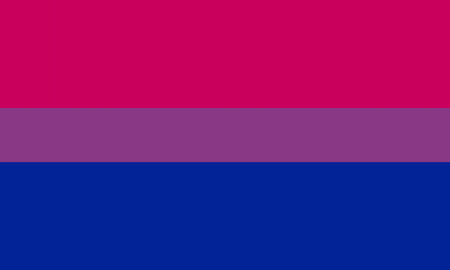


Each of these flags is in fairly widespread use in the LGBTQ+ community. Some, like the nonbinary flag and the trans pride flag, focus on gender identity; others, like the lesbian and bisexual flags, focus on sexual orientation. The rainbow flag is most commonly used as an umbrella queer flag for the whole community; it is sometimes more specifically associated with gay men.
Use Study.com's practice tests and study tools to pass your Praxis exam and become an effective teacher.
Important Considerations for LGBTQ+ History Lessons
When bringing LGBTQ+ history into the classroom, there are a few very important considerations that teachers should be aware of. The LGBTQ+ community still faces discrimination in schools and beyond. Teaching this history is not always a politically neutral act, and it can have consequences for both students and teachers. Teachers will need to be careful to respect students' boundaries while also considering the legal restrictions of their states. In general, it is a good idea for teachers to keep up to date on the kinds of language that are preferred when discussing the LGBTQ+ community to ensure that they are not being accidentally disrespectful. Online resources are a good option for this kind of research, as well as speaking to members of the community.
Sometimes, students will most likely have questions about what they are learning or about their own identities. It is always helpful when teachers are prepared to answer those questions. Researching the LGBTQ+ community, above and beyond what will actually appear in a given lesson, can help teachers provide students with well-rounded and clear answers. If a teacher is vocally supportive of the LGBTQ+ community, they will need to be prepared for LGBTQ+ students to come to them with questions or requests for help. For some students, a supportive teacher might be the only adult in their lives with whom they feel comfortable disclosing their identity. Teachers will need to be prepared for the responsibility that being an ally can come with.
Respecting Student Boundaries
When discussing LGBTQ+ history or any other LGBTQ+ issues, teachers should try to be an ally and sensitive to their students' experiences. For some students, discussing certain historical topics, like the AIDS crisis or the current state of LGBTQ+ rights, might be intensely personal and potentially upsetting. When possible, it is good for teachers to provide students with some warning about the material that they are going to cover, just as they might do with other difficult topics. If any students in the class are open about their LGBTQ+ identity, teachers should be mindful of avoiding tokenization. An LGBTQ+ student is not necessarily going to be prepared or willing to speak about LGBTQ+ issues in front of the class. They may not have a strong sense of their own history and should not be put on the spot or asked to explain LGBTQ+ experiences to the class.
Some students might feel comfortable telling their teacher or some trusted friends about their LGBTQ+ identity, but they may not be out to everyone. Some students might only be out to certain people or might only be out at school but not to their family members. Teachers must never share a student's identity with anyone else without that student's express permission. That might mean that teachers will need to refer to a student by one name at school and another in front of their parents. Respecting students' boundaries on this issue is more than just politeness: outing a student can put that student in danger, both at school and at home.
Legal Considerations by State
In some states, teachers are required to include LGBTQ+ history in their lessons as part of the official curriculum. In some others, teachers are outright banned from discussing any LGBTQ+ topics at school. Others again require teachers to inform parents in advance if they are going to cover any LGBTQ+ materials. In the majority of states, there are no specific laws requiring or banning LGBTQ+ history in the classroom. Since there can be serious legal repercussions pertaining to this subject, it is a good idea for all teachers to research the laws in their state so that they know what is and is not acceptable in the classroom. They will then be able to make informed decisions about how to structure their curriculum to best serve the students.
Currently, teachers are explicitly required to teach LGBTQ+ history in:
- California
- Oregon
- Nevada
- Colorado
- Illinois
- New Jersey
- Connecticut.
These laws may change, so teachers should double-check the current legislation.
States that require teachers to warn parents before discussing LGBTQ+ history include Montana, Arizona, and Tennessee. States that ban teachers from discussing LGBTQ+ history entirely or severely restrict such discussions are:
- Arkansas (also has an opt-out law)
- Florida (also has an opt-out law)
- Texas
- Oklahoma
- Louisiana
- Mississippi
- Alabama
- Indiana
- Kentucky
The laws banning discussions of LGBTQ+ history have received significant pushback. Many activist groups are working against those laws to make school curricula more inclusive of LGBTQ+ students, their culture, and their history.